Search This Blog

Tuesday, 29 December 2015

Sadness really pulls your mood down but it does give you some positive aspects

Feeling a little down? Here are the proven perks to your sadness
We've all experienced a bought of the blues before. Sometimes it can be a little difficult to snap out of, and it can even become overwhelming at times. Whether it's due to the season changing, a breakup, a loss of a loved one or a even a buildup of events—it happens. And although it may not seem like it, sadness actually has some perks. There's research proving it to be true—as long as your minor funk isn't on the border of depression.
While this knowledge may not directly be the key to resuscitating your happiness, it will surely help you to see the light to come once this period ends. It's also important to be able to distinguish the differences between sadness and depression. According to Women's Health Matters, signs of depression include but are not limited to: pessimistic thoughts, low energy levels and appetite issues. If you or someone you know is battling with depression, please seek help for them.
Although we're giving you seven positive facts to take away from being down and out, which range from being more appreciative to having better judgement, there are other ways to cope with sadness directly, like a girls' night, filled with binge eating pizza and cheap wine. So meanwhile, give that a shot—it's a lot healthier and much more fun than uncorking the wine alone. 

1. Improves Your Short-Term Memory:
Being down also means being more precise. Psychologist Joseph Forgas and his team determined that people who were in a funk remembered what occurred sufficiently more accurate compared to their happy counterparts.

2. It Improves Judgment:
It's been proven that sad moods can also make first impressions of others more reliable.
Hey, is it possible to turn on my sadness everytime I meet a guy? A little extra intuition can never hurt. 

3. It Increases Motivation:
A study shows that sadness operates like a warning signal to our bodies, triggering us to exert more effort and motivation in order to best deal with a challenge in our environment.
OK, so you won't be a walking billboard for Nike but you will definitely feel more productive, right? Right!

4. It Evoke Better Manners:
Although manners are always important, analyses determined that people in sad moods produced more polite, elaborate and evading requests, in comparison to those in a happy moods who used 'more direct and less polite strategies'.  

5. It Makes You More Appreciative:
After you've been down for a while, it allows you to have greater appreciation and insight when you aren't so down. It gives you greater perspective on the things you may be taking for granted.
Essentially, you learn to enjoy the small things (like bacon).

6. It Makes You Less Judgmental:
Even though your judgment may be more reliable, you won't be as quick to judge others.
Researchers believe this is because sadness may trigger something in the part of the brain that makes people more civil and understanding. You'll be a lot more comfortable off that high horse this way. 

7. It Makes You More Fair:
Research has shown that for the most part sad people are generally more fair than their happy counterparts. While it may not be as simple and fair as a good old fashioned game of 'rock, paper, scissors'—fair, is fair right?

Here is what the Ancient Siddha Medicine has to say about Bermuda grass or Arugampul

Name : Arugampul
“This herb is holistic as per Hindu mythology as well as highly medicinal”
Botanical name : Cynodon dactylon
Family : Gramineae
Actions : Astringent, Diuretic, Styptic, Anti-diarrhoeal.
Arugampul or Bermuda grass grows abundantly in the surroundings of our household. It has wonderful medicinal properties. It occupies a prime position among the Siddha herbs along with basil, neem, vilva etc.In South India Arugampul is regarded as a holy herb along with basil and neem. Arugampul is the herb of Lord Ganapathi, the Hindu God whom people worship before starting anything important.
Now for some medicinal uses of Arugampul.

It is well known for its medicinal properties, notably its action in regulating the vitiated doshas. It is a diuretic. It quenches thirst. It tastes sweet and is regarded as a moderator of doshas. Juice obtained from arugampul can be used as eye drops to cure eye irritation. When applied on fresh wounds it helps the blood to clot fast. It helps in healing old wounds too.It helps in detoxifying your body. Take juice of arugampul every morning on empty stomach. It helps in removing toxins from your body. A paste made from arugampul and turmeric can be applied on skin to treat problems like scabies, eczema etc. Regular application is found to cure the eczema and scabies.

Boil arugampul 10 gm , white pepper 2 gm, in 50 ml water and reduce it to 25 ml. Allow this preparation to cool and add a spoon of butter. This preparation can be taken to treat anal itch, urinary tract infection, painful urination, and side effects of medicines etc.

Make a paste of arugampul and mix it in a cup of yoghurt (curds). Women suffering from white discharge can benefit from this, they can take this for a week for complete cure.

Siddha Medicinal Uses :

  1. The juice of this grass is applied over eyes for eye diseases.
  2. For epistaxis, the juice of this grass is applied as nasal drops.
  3. The juice of samoolam is applied externally over the swellings which tend to bleed. Hence the bleeding stops when applied.
  4. The grass along with manjal or turmeric is ground and applied over skin diseases like scabies, fungal infections etc
  5. For bleeding piles this grass is ground and boiled with milk and consumed.
  6. The juice of the samoolam if consumed regularly provides strength to the nervous system. This medicine is also good for psychiatric diseases like unmatham (hyperactivity disorder), fitz.
  7. The decoction prepared from one fistfull of this grass, half parts of vettilai or betel leaves and 1/4 parts pepper is an excellent blood purifier.

Checkout these surprising number Health Benefits of Wood Apple or Bel Fruit

The health benefits of Bel Fruit or Wood Apple include relief from constipation, indigestion, peptic ulcer, piles, respiratory problems, diarrhea, and dysentery.It also boosts the immune system, fights off bacterial and viral infections, reduces inflammation and various inflammatory conditions, prevent cancer, increases milk production for nursing mothers, cures diabetes, increases ocular health, and helps prevent various sexual dysfunctions.
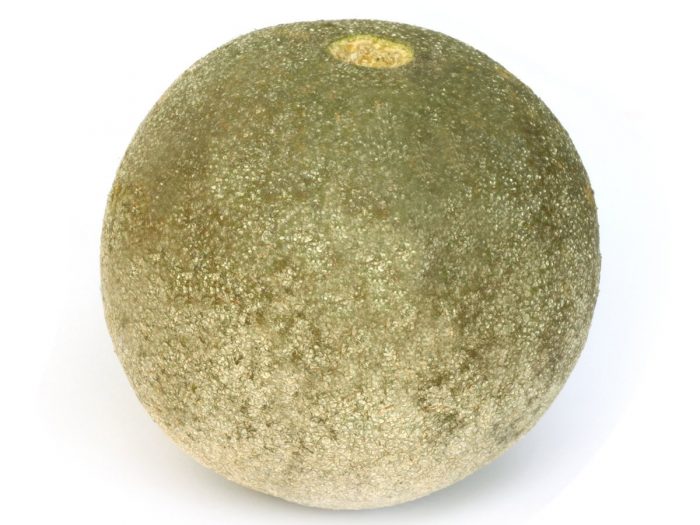
The Bel fruit, in actuality, is an herb with the botanical name of Limonia acidissima. Bel fruit has other names like wood apple, elephant apple and monkey fruit. In some parts of the world, this fruit is called elephant apple because it’s a favorite food of elephants, while in other areas, it gets the name wood apple because of its hard wooden shell. It is actually considered sacred by Hindus, and is widely cultivated and eaten in India.
The wood apple tree is native to India, but is also found in Sri Lanka, Thailand, and various other regions in the southern part of Asia. The tree can grow up to 30 feet in height, and the edible fruits are 5-9cm in diameter. Their shells are tough, and the inside is brownish pulp and small white seeds. The pulp can be eaten raw, but it is popularly scooped out and frozen, or made into jam. It can also be mixed with coconut milk for a delicious, health beverage, or frozen into ice cream!

Nutritional Value of Wood Apples:

The vast array of health benefits that are attributed to wood apples are mainly due to their  nutrients, vitamins, and organic compounds, including their tannins, calcium, phosphorous, fiber, protein, and iron.

Health Benefits of Wood Apples:

Bel fruit also has great medicinal value for those who consume it, whether they are aware of these benefits or not! Let’s take a closer look at the extensive health benefits of this interesting fruit!
Good for Digestion: Bel fruit is great for digestion because it helps to destroy worms in the intestine, and is a good remedy for digestive disorders. It is also recommended as a remedy for chronic dysentery. The trunk and branches of bel trees contain a gum-like substance called ‘Feronia gum’. This is commonly used to curing diarrhea and dysentery. Bel fruit is also recommended for people with peptic ulcer or piles since bel leaves contain tannin, which is known to reduce inflammation. The laxative property of wood apple also helps to avoid constipation and the subsequent, pain, discomfort and associated health risks of that condition. This, combined with the antifungal and antiparisitic activities, make bel fruit ideal for increasing digestive health.
woodappleBlood Cleanser:  As little as 50 mg of bel fruit juice mixed with warm water and sugar is recommended for blood purification and the removal of toxins that can cause extensive damage to the body. This reduces the strain on the liver and kidneys, which are the normal lines of defense against toxins.

Effective for Ear Aches: The root of the bel tree is integral in the management and treatment of ear conditions and pain.
Prevention of  Scurvy: Deficiency of vitamin C (ascorbic acid) causes scurvy. Since Bel fruit is rich in vitamin C, it can guarantees that you do not develop scurvy, a potentially life-threatening condition. This high level of vitamin C also increases the strength and potency of the immune system, thereby protecting people who consume wood apples from a variety of microbial and viral infections.
Good for Diabetic Patients: The ‘Feronia gum’, contained in the trunk and branches of the bel tree, counteracts diabetes by reducing the severity of the condition and helps to manage the flow, secretion, and balance of sugars in the bloodstream. By managing the insulin and glucose levels, it is possible to prevent the spikes and plunges that can be so dangerous to diabetics.
Relief from Respiratory Problems: Leaves of the Bel fruit tree help people avoid chronic or recurring colds and related respiratory conditions. They also help in curing sore throat and treating chronic cough due to its function as an expectorant. It loosens phlegm and helps eliminate the buildup in the respiratory system.
Energy Booster: One hundred grams of Bel fruit pulp provides 140 calories, and the nutrients found in that amount boost organ activity and metabolic speed. This all results in additional energy and reserves in the body. The high protein content also means that the body can heal faster and the muscles can grow stronger, further boosting energy reserves.
Good for Kidney Conditions: Regular consumption of wood apple is recommended for people with kidney complaints. Considering the detoxifying powers of wood apples, the kidney and liver can be protected if the correct organic compounds from wood apples are kept at healthy levels.
Liver Health: As a good source of beta-carotene, wood apples also cure liver problems. They contain thiamine and riboflavin, both of which are known as liver health boosters, this fruit also functions as an ingredient in cardiac tonics.
Cure Snakebites: In Ayurvedic treatments, all parts of the wood apple plant are used to cure snakebites.
Protection Against Malaria: The pulp of bel fruit trees has also been used as a cosmetic component by women in Thai-Myanmar border area. This area is also frequently affected by dengue and malaria, but research studies have suggested that by applying the mixture of this pulp and repellents on the skin of pregnant women may be beneficial in protecting them against malaria.
Apart from the warming sensation upon application of this mix, the repellents are neutral and non-irritating. However, studies are underway to ascertain the mechanisms behind the benefits of this mixture on malaria.

Bel Fruit – How to Select and Consume:

Bel fruits can be consumed as ripe fruits or in juice-form. The ripe bel fruit is sweet and can also be used for making a tasty drink known as wood apple milk. The ripe fruit is consumed as custard with sugar or honey in certain cultures. The raw bel fruit is sour to taste and is used to make chutney, while the leaves of the bel fruit tree are used as salad ingredients.

A Word of Caution:

Like any other food/fruits, we have to take some precautions when consuming the Bel fruit. Excessive consumption of Bel fruit causes flatulence in the abdomen, so people with gastric troubles should be careful. Also, if you have never consumed bel fruit before, try a small amount and see how your body reacts. Anything can be an allergen, so it is better to start small and work your way up to larger portions once you know that your system handles it well.

Monday, 28 December 2015

Real Reasons You Can’t Lose Weight (And How to Get Out of the Rut)

1. You eat when you’re not hungry
A lot of us are slaves to the clock. When I was growing up, my mother had dinner on the table promptly at six o’clock. Even if I wasn’t especially hungry then, you can be sure I ate—and I cleaned my plate, because that’s what we did in our house. Who knows how many extra calories I ate that way? I’m not saying that your meals should be unplanned. In fact, it’s best to make sure you eat regularly to keep from getting so ravenous that you lose control and can’t stop eating. But if you’re in the habit of eating when the clock says to, instead of when you’re actually hungry—which researchers at the University of Minnesota found is one of the main reasons people eat when they do—you tend to lose touch with what “hungry” feels like and eat more than you really need.
Keep your schedule flexible if possible and listen to your tummy. On weekends, for example, I find that two main meals is all I need or want. I’ll linger over coffee (or go for a run), then find it’s 11, sometimes 12 o’clock before I’m hungry enough to want to eat. Or I’ll have a healthy breakfast, then get caught up in my day and have what I call an “afternoon dinner” at 3 or 4.

2. You eat when you’re distracted
Do you see crumbs or smudges on your computer keyboard, the touch screen of your phone, or your TV’s remote control? That’s a telltale sign that you’re doing other things while you’re eating. Don’t get me wrong. I’m all for multitasking, and I definitely have days when I eat in front of the computer. Here’s the problem. Ask me how it tasted and I might not be able to tell you, because I was preoccupied by my work.
Researchers in Ireland interviewed a group of 66 adults on what made portion control difficult. One of the main factors, they reported, were elements of the eating environment—socializing with friends and family, watching television, or working on a computer or phone—that diverted their attention away from what they were eating.
3. You dine out for every meal
Occasional indulgences are not the problem. What is: We are eating out more and more often—over a 40-year period from 1970 to 2010, we nearly doubled the percentage of calories we get from food away from home. And we are all too often unaware of how many calories are in the dishes we eat. A study of fast-food eaters in Philadelphia and Baltimore found that they underestimated their meal by up to 400 calories!
Restaurant meals tend to be higher in calories, saturated fat, and sodium than homemade meals, and lower in calcium, fiber, and other weight-friendly nutrients. I’m not saying you should never eat out—far from it—but one of the kindest things we could do for our waists and our overall health would be to eat out less often. If you’re in the habit of always grabbing a bagel on the way in to work, stock up instead on Nature’s Own Plain Thin- Sliced Bagels. If you like a deli hoagie for lunch, bring your own turkey sub. You get the idea. And when you do eat out, look for entrées that are grilled or baked, not fried or smothered in sauce, and for side dishes that pile on the veggies (again, you’re looking for steamed, sautéed, or otherwise simply prepared vegetables).

4. You’re a slave to “healthy brands”
If you’re trying to drop pounds and be healthy, your best bet is to choose foods from the restaurants and brands that emphasize fresh, whole ingredients and prepackaged portions, like Chipotle, Jamba Juice, KIND, Lean Cuisine, and Weight Watchers. Right? That’s what I thought before I started working on the Stop & Drop Diet. But picking healthy foods is not as simple as finding a “healthy” brand and sticking to it.
In a February 2015 New York Times article, a group of reporters gathered 3000 meal orders from Chipotle—which proudly proclaims on its website, “We’re all about simple, fresh food without artificial flavors or fillers”—and calculated the calories, saturated fat, and sodium in them. The typical order, a burrito, weighed in at more than 1000 calories! This isn’t to say that you can’t find a healthy meal at Chipotle. The same article highlights several Chipotle meals that clock in at around 545 calories, including crispy steak tacos, a veggie bowl, and a carnitas burrito, and it’s possible to get even lower by changing the fillings and toppings you choose.
KIND, another brand that touts itself as “healthy and tasty,” was recently taken to task by the FDA, which found that several of its products did not meet the requirements to use the claims “good source of fiber,” “no trans fats,” “low sodium”, “+ antioxidants,” and “+ protein,” among others. In its defense, KIND noted on its blog, “Nuts, key ingredients in many of our snacks and one of the things that make fans love our bars, contain nutritious fats that exceed the amount allowed under the FDA’s standard.” Having delved into the research on healthy fats for my first book, Flat Belly Diet!, I agree with KIND on this one. That said, many KIND barsare higher in calories or fat than, for instance, a Quaker or Nature Valley or Kashi bar. And some Quaker, Nature Valley, and Kashi bars may be higher in calories and/or sugars and/or sodium than some KIND bars.
Bottom line: Every restaurant and every brand has some dishes and products that are healthier than others. In order to get the full story about any given food, you need to look beyond the brand and beyond the health claims spouted in advertisements and printed on the front of the box.
5. You starve yourself
 While it’s true that in order to lose weight, you need to eat less, that does not mean you need to starve yourself! In fact, starving yourself often has the opposite effect. To your body, your extra fat is a necessary hedge against the day that there’s no food to be had. We humans evolved during a time when there were no grocery stores or restaurants or even farms. How did our ancestors survive when there was a drought that killed off the leaves and berries they foraged? Or when they failed in the hunt? They lived off the fat they had built up during more plentiful times. Which is why, when you suddenly slash the amount of food you’re eating, your body reacts by hanging on to every bit of fat it can.
The same thing happens when you skip meals. Skip breakfast and you’re likely to overdo it at lunch since you’re so hungry. Skip lunch and you may be too ravenous by dinner to make smart food choices. A study of eight years of data from the National Health and Nutrition Examination Survey (NHANES) showed that people who skip breakfast tend to be heavier and have a larger waist than those who eat a healthy breakfast.

6. You have a list of “forbidden” foods
The Atkins Diet. The South Beach Diet. The Paleo Diet. The Dukan Diet. So many popular diets today recommend cutting out or drastically cutting down on carbohydrates that there must be something to the low-carb thing, right? Well, it’s true that, on average, Americans eat more carbs than we really need, especially refined carbohydrates like those in white bread, pasta, cakes, and cookies. Among our top sources of calories, in fact, are cakes and cookies, breads, pizza, pasta, and sugary drinks. So if you cut back on these foods, you will automatically slash your calorie consumption and lose weight. And, because excess consumption of refined carbs has been associated with diabetes, heart disease, and a host of other chronic diseases, you’ll be healthier if you eat fewer of them.
But of course, when you suddenly stop eating an entire food group, you are automatically cutting calories and your body reacts accordingly.
7. You rely on dieting alone
 While you can lose weight even if the only movement you make all day is walking from your bed to your desk chair, it’s much easier and faster to drop pounds if you combine diet and exercise. If you are burning an extra 200 to 300 calories per day, that’s 200 to 300 calories less you have to carve out from your diet to get the same calorie deficit. Plus, exercise generates natural endorphins, so you feel better and have more energy even if you are a little hungry. All of which makes it easier to stick with the diet.
And once you’ve lost the weight, exercise has also proven to be key to keeping it off. According to the National Weight Control Registry, established in 1994 to identify and investigate the characteristics of people who have successfully lost weight and kept it off for more than a year, 94 percent increased their physical activity in order to lose weight, with the most frequently reported form of exercise being walking. To keep it off, 90 percent report that they exercise an average of an hour a day.

8. You feel bad about your weight
 If you get depressed every time you step on a scale, or only see your fat butt when you look in the mirror, or refuse to have a photo taken because you’re ashamed of what you look like, then you need to stop. No matter what you weigh, if you don’t love your body, you will never truly win the weight loss battle. If you feel guilty about your eating habits and ashamed of your body, you will always feel deprived. While you may lose weight initially on the diet, you will soon slide back to your old food choices and gain it all back again.

Things You Shouldn’t Do While Tired

It goes without saying that you shouldn’t drive or, um, operate heavy machinery, but these surprising moves are also a bad idea when you're exhausted.


Don't: Hit the gym full force

“Working out [hard] when you’re tired is a waste of time if you don’t have the energy to keep up with your regular routine,” says William Suggs, a certified personal trainer and licensed sports nutritionist in New York City. Instead, focus on light cardio like walking, biking, or the elliptical, which lets your arms help propel you through the workout. If you must pump some iron, stay away from free weights and stick to circuit machines, which are specifically designed to protect you from injury, says Suggs. Speaking of injury, you’re more likely to tweak a muscle or cramp up when you’re tired, especially your back. “You’re more prone to injury when you’re fatigued because it’s harder to focus on your workout and on engaging your core, which stabilizes you,” says Suggs. Eat a piece of fruit for a healthy pre-workout energy rush. “You won’t feel jittery but the simple sugars will keep your tank going,” says Suggs.

Don't: Guzzle caffeinated beverages

Knocking back coffees all day may seem like the best way to power through a slumpy Monday. But not only will you crash and feel sluggish once the caffeine boost wears off, keep in mind that caffeine has a half-life of up to five hours; this means that five hours later about half of what you ingested remains in your system. “You won’t feel that surge of energy but your brain knows caffeine is there, which can impact your ability to sleep at night,” says Daniel Barone, MD, a sleep expert at Weill Cornell Center for Sleep Medicine at New York-Presbyterian Hospital. His rule of thumb: Cut off caffeine consumption after 1 p.m. Next time you’re dragging, swap out your afternoon java for a stick of peppermint gum. Peppermint stimulates nerves in your brain responsible for feeling awake and alert, Alan Hirsch of the Smell & Taste Treatment and Research Foundation told.

Don't: Pick a fight with your partner

When you’re tired, a mild disagreement can quickly escalate. Sleep deprivation makes it harder to control emotions, according UC Berkeley and Harvard Medical School research. “It’s almost as though, without sleep, the brain … is unable to put emotional experiences in context and produce controlled, appropriate responses,” says study author Matthew Walker. Another study from UC Berkeley found that it’s harder to accurately read facial expressions when you’re tired, which means you’re more likely to misinterpret your partner’s intentions.

Don't: Take a nap

A nap is a good idea, but only if you nap the right way. Sleeping too long or too late in the day can make it harder to sleep at night, which means you’ll still be tired the next day, says Dr. Barone. For a jolt of alertness without sabotaging your bedtime, the perfect nap is 20 to 30 minutes as early in the day as possible, he says.

Don't: Cave to junk food cravings

Studies show that a sleep-deprived brain craves fatty, high-calorie foods because the regions that control decisions are blunted and those linked to desire are amplified. Translation: junk foods are harder to resist. “When you’re tired your body is looking for a dopamine release, so eating your favorite unhealthy food will feed your brain and make you happy,” says Suggs. If ordering takeout is all you can muster, opt for steamed vegetables and a lean protein like chicken with brown rice from your favorite Chinese spot, says Suggs. “It’s a balanced meal—whole grains, protein, veggies—without the effort.” Stay away from the grocery store. One study from Uppsala University found that sleep-deprived shoppers purchased more and higher-calorie food than they would have when not tired.

Don't: Tackle an important project at work

If you can, save that important chat with your boss or the for a day when you feel bright-eyed and bushy-tailed. A study from Duke University Medical Center found that sleep-deprived adults were more likely to perceive something as positive and less likely to recognize negative outcomes. That means a decision you made when tired might not look so good when you’re rested and refreshed. “The best way to do your job well is to get enough sleep,” Kristen Knutson, a sleep expert at the University of Chicago told realsimple.com.

Don't: Stray from your normal sleep schedule

It can be tempting to hit the sack early or smack the snooze button a few times when you’re tired, but resist the urge. Throwing off your sleep pattern can put you on an exhausting and erratic cycle that prevents you from getting quality sleep. “Your brain is not ready to fall asleep early, so you get in bed with what I call ‘wired and tired’—body tired and brain on … which leads to frustration and makes it even more difficult to nod off,” sleep specialist Michael Breus, PhD, told Prevention. Sleeping in is just as harmful. “Even just 30 minutes extra over a two-day span could cause a shift, prompting your body to want to sleep later and get up later,” he says. Try to get seven to eight hours of sleep a night, even when you’re tired, says Dr. Barone.

Don't: Trust yourself to gauge how tired you really are

Sleep deprivation makes it harder to assess how tired you truly are. You might take on more than you can handle if you convince yourself you’re fine. One study found that people who went without sleep rated themselves as not feeling tired but made more errors when given an activity to complete. “Don’t try to gauge how tired you are. The bottom line is, you’re tired,” says Barone. “It’s a good idea to save any big decision or task for when you’re thinking clearly.”

The Questions That Can Make You Fall In Love With Anyone

This quiz from a psychologist has helped boost intimacy between thousands of strangers, resulting in friendship, romance, and even marriage.


Can you really fall in love with anyone? In a 1997 SUNY Stony Brook study, a psychologist explored whether intimacy between two perfect strangers could be accelerated by having them ask each other the 36 personal questions below.
Set I
1. Given the choice of anyone in the world, whom would you want as a dinner guest?
2. Would you like to be famous? In what way?
3. Before making a telephone call, do you ever rehearse what you are going to say? Why?
4. What would constitute a “perfect” day for you?
5. When did you last sing to yourself? To someone else?
6. If you were able to live to the age of 90 and retain either the mind or body of a 30-year-old for the last 60 years of your life, which would you want?
7. Do you have a secret hunch about how you will die?
8. Name three things you and your partner appear to have in common.
9. For what in your life do you feel most grateful?
10. If you could change anything about the way you were raised, what would it be?
11. Take four minutes and tell your partner your life story in as much detail as possible.
12. If you could wake up tomorrow having gained any one quality or ability, what would it be?

Set II
13. If a crystal ball could tell you the truth about yourself, your life, the future or anything else, what would you want to know?
14. Is there something that you’ve dreamed of doing for a long time? Why haven’t you done it?
15. What is the greatest accomplishment of your life?
16. What do you value most in a friendship?
17. What is your most treasured memory?
18. What is your most terrible memory?
19. If you knew that in one year you would die suddenly, would you change anything about the way you are now living? Why?
20. What does friendship mean to you?
21. What roles do love and affection play in your life?
22. Alternate sharing something you consider a positive characteristic of your partner. Share a total of five items.
23. How close and warm is your family? Do you feel your childhood was happier than most other people’s?
24. How do you feel about your relationship with your mother?

Set III
25. Make three true “we” statements each. For instance, “We are both in this room feeling … “
26. Complete this sentence: “I wish I had someone with whom I could share … “
27. If you were going to become a close friend with your partner, please share what would be important for him or her to know.
28. Tell your partner what you like about them; be very honest this time, saying things that you might not say to someone you’ve just met.
29. Share with your partner an embarrassing moment in your life.
30. When did you last cry in front of another person? By yourself?
31. Tell your partner something that you like about them already.
32. What, if anything, is too serious to be joked about?
33. If you were to die this evening with no opportunity to communicate with anyone, what would you most regret not having told someone? Why haven’t you told them yet?
34. Your house, containing everything you own, catches fire. After saving your loved ones and pets, you have time to safely make a final dash to save any one item. What would it be? Why?
35. Of all the people in your family, whose death would you find most disturbing? Why?
36. Share a personal problem and ask your partner’s advice on how he or she might handle it. Also, ask your partner to reflect back to you how you seem to be feeling about the problem you have chosen.

Since the Doctor created the quiz, he’s even seen it rekindle romance in long-term relationships. When you’re first in a romantic relationship, there’s an intense excitement, but then you grow used to each other. If you do something new and challenging, that reminds you of how exciting it can be with your partner, it makes your relationship better.
The three sets of questions take about 45 minutes to complete, with each becoming increasingly personal and intense. 

Fitness Myths We Should Stop Believing Already

Myth: Crunches are a great way to flatten your stomach

Fact: A flat stomach actually comes from eating foods that are low in fat and refined sugars. No matter how many crunches you do, they will build only the muscle that lies deep beneath those unforgiving layers of fat.

Myth: The more you sweat during exercise, the more fat you lose


Fact: The harder you work out, the more calories you’ll burn within a given period. But how much you sweat has nothing to do with how much fat you lose.

Myth: Lifting weights will make me bulky


Fact: Weight training accounts for 70 percent of your calorie burn. Resistance forces your muscles to work 10 to 20 times more than regular cardio, without bulking. Bulk comes from high calorie intake, which is why professional bodybuilders consume a lot of calories while lifting a lot of weight. If you combine weight training with a moderate, balanced diet with medium to low calorie intake, you will burn fat and sculpt your body without adding bulk.

Myth: Muscle weighs more than fat

Fact: A pound of muscle and a pound of fat weigh the same, a pound. However, muscles are denser than fat and occupy less space. Adding muscle to your physique will create curves where once there were none.

Myth: I can turn my fat into muscles if I exercise with weights

Fact: Fat and muscle are completely different tissues, so you can’t transform one into the other. Although muscles can’t physically turn into fat, they can atrophy. When you exercise, your initial goal should be to burn fat and build muscle.

Myth: You can lose fat from specific parts of your body by exercising those spots

Fact: There are no shortcuts to fat loss. If you do full-body strength training and cardio workouts, the excess fat will eventually come off from the places where you want it gone.

Myth: If I’m not sore the next day, I didn’t work out hard enough
Fact: Soreness is not a reliable indicator of a good workout. It’s normal to experience some soreness after a workout, especially if you regularly change your routine. Soreness can also be a sign that you pushed your body too hard. I enjoy feeling sore, but that’s just me. The key is to make sure that you’re challenging your muscles to their fullest potential.

Myth: Cardio is only for folks who want to lose weight

Fact: Even Superman needs cardio to stay in tip-top shape. Your heart is your engine, and without a strong engine you’ll never get far.

Myth: Walking won’t help me lose weight

Fact: Walking will absolutely help you lose weight, assuming you walk at least 5 times weekly for a minimum of 30 minutes a day. Challenge yourself to walk faster and farther as your body gets used to the exercise.

Myth: The best time to work out is early in the morning

Fact: It doesn’t matter when you work out, as long as you do so at some point during the day.

Myth: Weight lifting is only for men

Fact: Weight lifting is a great way for both genders to burn calories. Women can benefit particularly from weight training because it increases bone density, which helps you avoid osteoporosis. Also, ladies, targeted weight lifting will help firm and tighten your backside.